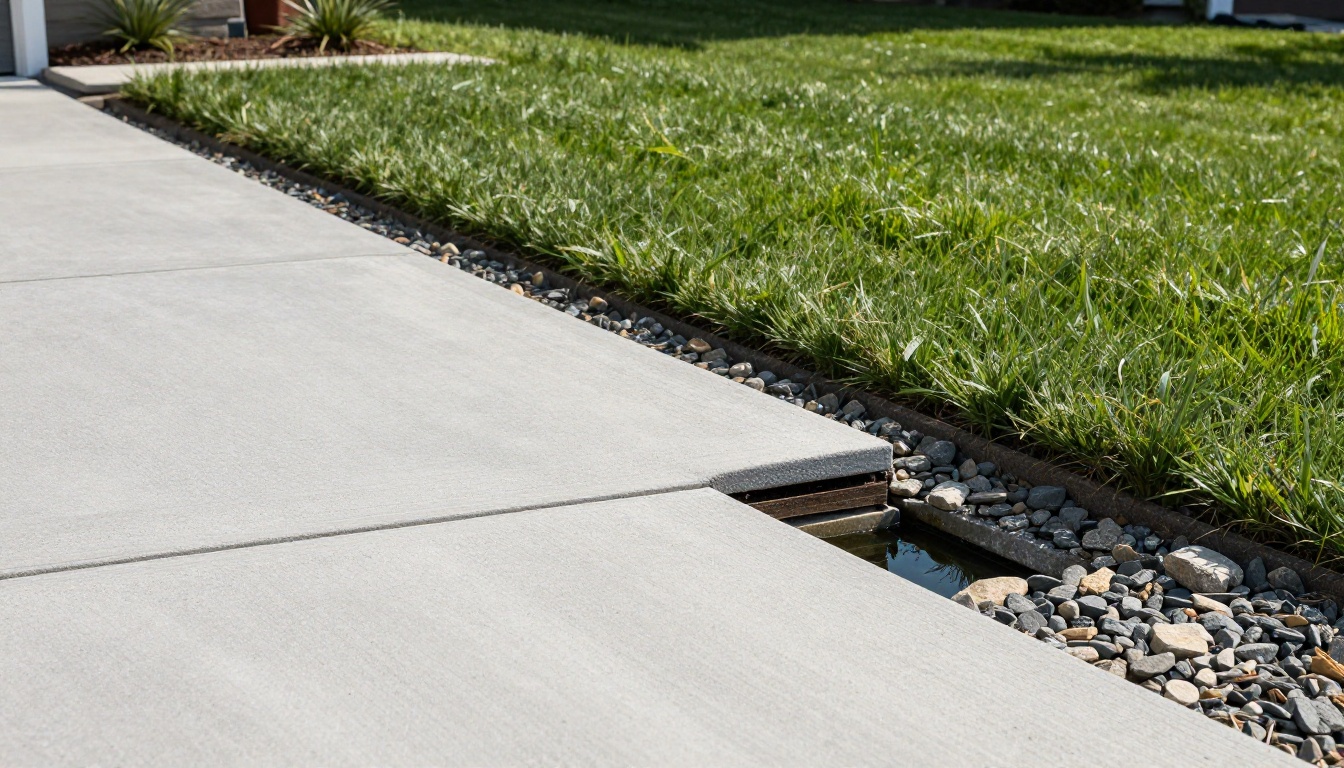
Permeable pavers are often promoted as a smart, eco-friendly hardscaping solution—but they’re not the right fit for every property. Understanding how they work, where they perform best, and where they fall short can save you money and frustration long-term. This guide breaks down the essentials so you can make a confident, informed decision before committing to a project.
What Are Permeable Pavers?
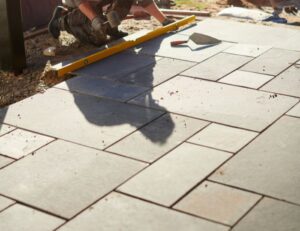
Permeable pavers are designed with small gaps that allow water to pass through the surface and into a layered stone base below. Instead of shedding runoff like traditional concrete or asphalt, they help manage stormwater naturally.
They’re commonly used in patios, walkways, driveways, and other outdoor living features as part of modern brick paver projects that prioritize both durability and drainage.
How Permeable Pavers Manage Water
The real value of permeable pavers lies beneath the surface. A properly built system includes:
-
A permeable paver surface
-
Joint material that allows water infiltration
-
An open-graded aggregate base that temporarily stores water
-
Soil below that absorbs and disperses moisture
This layered approach reduces surface pooling and can help protect surrounding landscaping and structures—especially when integrated into thoughtful landscape design.
When Permeable Pavers Make Sense
Permeable pavers are an excellent option in several common scenarios:
Areas with Drainage Issues
If your yard struggles with standing water after rain, permeable pavers can significantly improve drainage compared to solid surfaces.
Environmentally Conscious Projects
Homeowners looking to reduce runoff and support sustainable landscaping often choose permeable systems as part of broader natural stone projects.
Driveways and Patios with Proper Subgrade
When soil conditions and grading are favorable, permeable pavers work well for patios, walkways, and even driveways with moderate traffic.
Municipal or HOA Requirements
Some communities encourage or require permeable surfaces for new hardscaping due to stormwater regulations. In these cases, they’re often a practical solution rather than just an aesthetic choice.
When Permeable Pavers May Not Be the Best Choice
Despite their benefits, permeable pavers aren’t always the right answer.
Poor Soil Conditions
Heavy clay soils that don’t absorb water well can limit the effectiveness of permeable systems without significant site preparation.
High-Traffic or Heavy-Load Areas
Commercial zones with constant heavy vehicles may be better served by engineered solutions paired with commercial maintenance planning.
Tight Budgets
Permeable pavers typically cost more upfront due to excavation depth, materials, and labor. While they can save money over time, the initial investment isn’t ideal for every project.
Maintenance Considerations You Should Know
Permeable pavers are not “install and forget.” Over time, joints can clog with debris if neglected. Routine upkeep—often coordinated with ongoing residential maintenance—helps preserve drainage performance.
Recommended maintenance usually includes:
-
Periodic vacuuming or washing of joints
-
Replenishing joint stone when needed
-
Keeping surrounding landscaping from washing soil into the pavers
Permeable vs. Traditional Pavers: A Quick Comparison
Traditional pavers are simpler to install and maintain, making them a strong choice for many homeowners. Permeable pavers add water-management benefits but require more planning and care. The right option depends on your property’s conditions, usage, and long-term goals—not just trends.
Getting Professional Input Before You Decide
Choosing the wrong surface can lead to drainage failures, settling, or unnecessary repairs. A professional evaluation helps determine whether permeable pavers—or a more conventional solution—will perform best on your property. Reviewing past projects in the gallery or speaking directly through the contact page can clarify what’s realistic for your space.
TL;DR / Key Takeaways
-
Permeable pavers allow water to drain through the surface, reducing runoff
-
They work best where soil, grading, and usage support proper infiltration
-
They’re ideal for drainage-prone areas and eco-focused projects
-
Not recommended for every soil type, budget, or heavy-use application
-
Professional design and regular maintenance are critical to long-term success